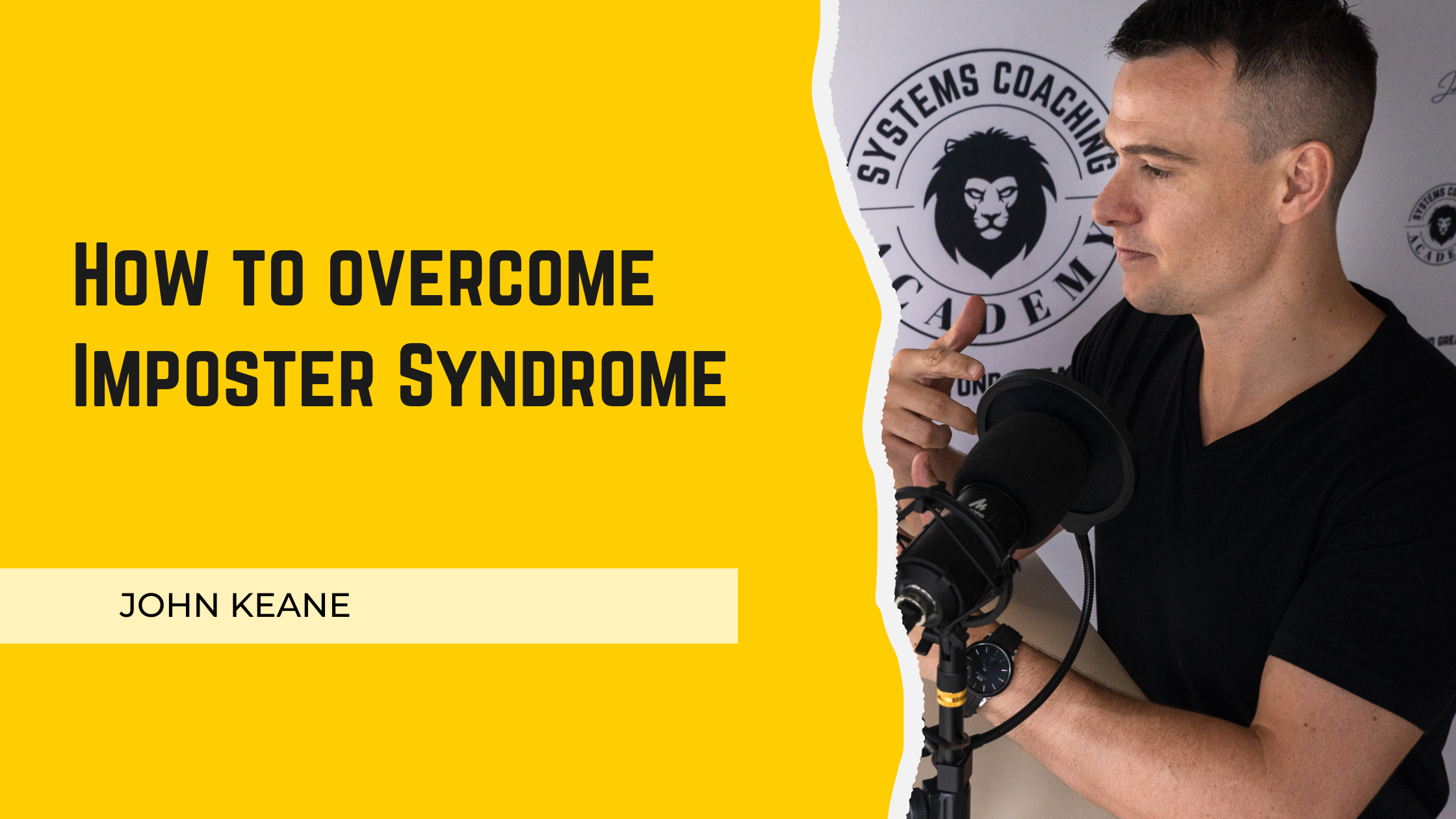
Imposter syndrome can be your biggest enemy, especially if you want to either start a business or grow your current one. It’s a topic that comes up repeatedly in conversations with business owners and high-performing professionals. It’s a tale of two stories, where some overcome their limits, while others allow their non-serving narrative to trap them, keeping them in their comfort zone. This blog will help you understand why you might feel like an imposter and teach you why it’s not such a bad thing.
Understanding Imposter Syndrome
Imposter syndrome is the feeling that you don’t belong in a certain place or in the company of certain people. It’s characterized by self-doubt and inadequacy, feelings that all humans experience to some degree. The topic of self-concept and how we see ourselves is worthy of a blog in itself because we all have some negative language around how we view our past and our capabilities, both personally and professionally. This feeling of being a fraud can create anxiety, doubt, and reinforce any negative limiting beliefs we already have.
How It Affects Your Performance and Ascension
Imposter syndrome can stop you from acting on great ideas or opportunities, preventing you from stepping into your potential. It can also impact your leadership capacity as a business owner, affecting your mental and emotional profile, keeping you trapped, and more likely to stick to your comfort zone.
Comfort vs. Discomfort
Overcoming imposter syndrome will require you to get uncomfortable, which is why most people avoid these situations at all costs. Our brain’s primary function is to keep us safe, so it will do everything possible to avoid perceived threats. I highly recommend reading “The Comfort Crisis” by Michael Easter, which discusses how comfort has become a societal norm holding us back from reaching our full potential.
Symptoms of Imposter Syndrome
- Self-Doubt: Constantly feeling that you’re not good enough.
- Fear of Failure: Avoiding discomfort or new challenges due to the fear of failing.
- Overworking: Trying to outwork your negative internal narrative, which suppresses deeper-rooted issues.
- Procrastination: Continuously putting off actions you know you need to take.
- Discounted Wins: Dismissing your achievements because they don’t align with your internal beliefs.
Strategies to Overcome Imposter Syndrome
Develop Self-Awareness
Self-awareness is the key. The more aware you are of your internal narrative and how it affects your behavior, the better you can manage and interrupt these patterns.
Practical Steps:
- Journal Daily Thoughts, Feelings, and Behaviors: Documenting your experiences helps bring subconscious thoughts to the surface.
- Meditate or Practice Mindfulness: Observing your thoughts and feelings without judgment helps you understand and manage them better.
Reframe Your Thoughts
Once you become aware of your negative cycles, you can challenge and reframe these thoughts, feelings, and behaviors into something more positive.
Practical Steps:
- Ascension Affirmations: Create powerful affirmations around your goals and vision, or your ideal self-concept.
- Ascension Wins: Celebrate all your wins to reinforce your new beliefs and goals.
- Visualization: Use the power of your imagination to see yourself overcoming limitations.
Hire a Coach or Mentor
As a mindset performance coach, I help transform potential into elite performance. We all have the capacity to be great, but our inner dialogue often dictates the level at which we play. Finding the right mentor or coach can help you overcome any mindset limits you have.
Practical Steps:
- Join Our Free Facebook Group: A great place to start connecting with like-minded individuals – https://www.facebook.com/share/AV5ngeThmY25sVkL/
- Hire a Coach: Invest in yourself to learn how to overcome your limits.
Build Confidence Through Exposure and Affirmative Habits
There is a fine line between working through your narrative and building confidence through exposure and repetition. Incorporate 2-3 affirmative habits into your week that expose you to new environments or situations where you might feel like an imposter.
Practical Steps:
- Build Affirmative Habits: Regularly engage in new situations to build confidence.
- Adopt a Work-In-Progress Mindset: Embrace the process and move away from perfectionism.
Enhance Emotional Intelligence
Emotional intelligence is crucial for both personal and professional success. Increasing your self-awareness and capacity to manage your emotions will help you step out of your comfort zone and realize that imposter syndrome is just a non-serving story.
Practical Steps:
- Improve Self-Awareness: Regularly reflect on your emotions and reactions.
- Manage Your Emotions: Practice techniques like deep breathing and mindfulness to stay grounded.
Head over and read our blog on EQ https://ascensionu.co/2024/06/02/emotional-intelligence-for-the-modern-day-business-owner/
Free Training: Overcome Imposter Syndrome
To help you further on your journey, we offer a free training session that delves deeper into strategies for overcoming imposter syndrome. This training provides practical tools and techniques to build your confidence and embrace your achievements.
👉 Watch the Free Training Here – https://youtu.be/lbIdsMGDBSA
Conclusion
Imposter syndrome is a sign that you are growing and ready to unlock your next level. Use it as leverage, and remember, it stems from a non-serving narrative that you have the power to change. Work on your mindset, expose yourself to new situations, and you will quickly realize that you do belong.