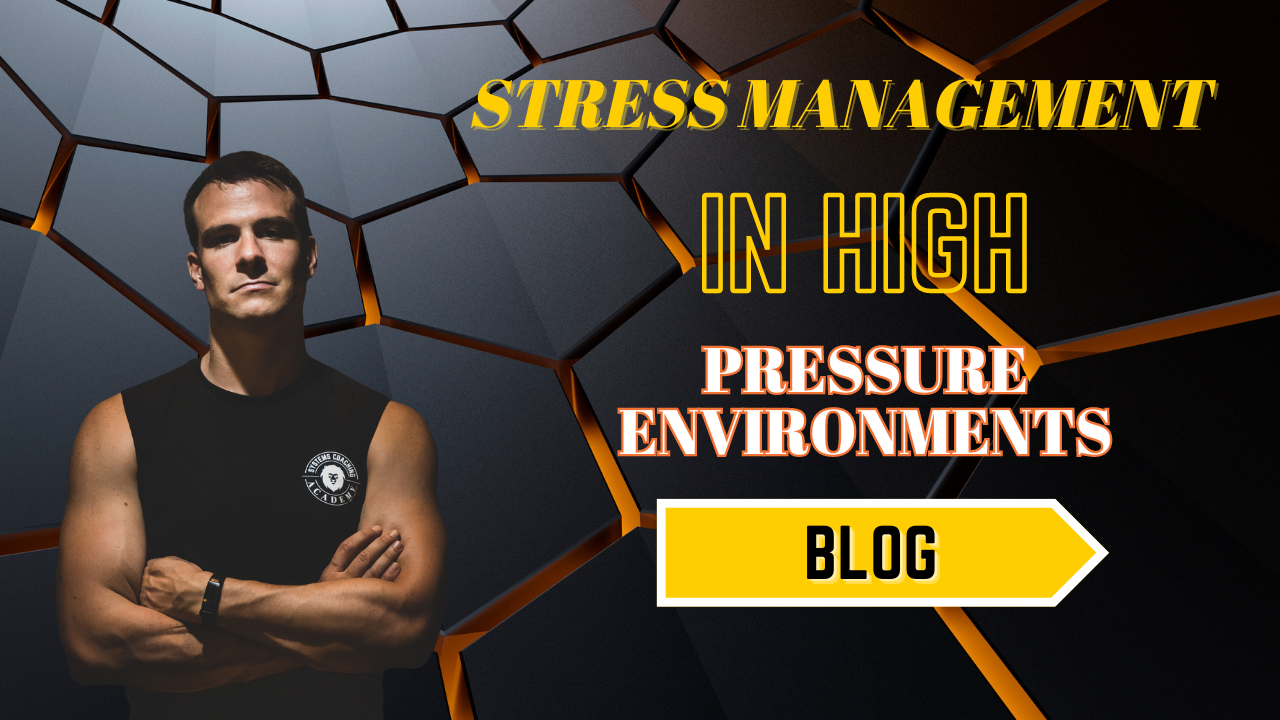
What Causes Stress in High-Pressure Environments?
Stress in high-pressure environments can stem from various sources, including tight deadlines, demanding clients, excessive workload, and lack of control over work processes. Recognizing these stressors is the first step in managing them effectively.
Effects of Unmanaged Stress
Unmanaged stress can lead to physical symptoms like headaches, fatigue, and digestive issues, as well as emotional symptoms such as anxiety, irritability, and depression. Long-term exposure to stress can result in burnout, reduced productivity, and serious health problems such as cardiovascular disease.
The Importance of Addressing Stress
Addressing stress is vital for maintaining mental and physical health. It enhances your ability to think clearly, make informed decisions, and maintain positive relationships with colleagues and clients.
Practical Techniques for Stress Management
Identifying Stress Triggers
The first step in managing stress is to identify its sources. Common triggers include tight deadlines, heavy workloads, and challenging interactions with clients or colleagues.
Practical Tips:
- Track Stressors: Keep a journal to document situations that cause stress and your reactions to them.
- Analyze Patterns: Look for patterns in your stressors to understand what triggers your stress the most.
Time Management and Prioritization
Effective time management can significantly reduce stress. By organizing tasks and setting realistic deadlines, you can prevent last-minute rushes and avoid feeling overwhelmed.
Practical Tips:
- Daily Planning: Use tools like calendars and to-do lists to plan your day efficiently.
- Prioritize Tasks: Focus on high-priority tasks first and break large projects into smaller, manageable steps.
Incorporating Breaks and Self-Care
Regular breaks and self-care activities are essential for recharging and maintaining productivity. Taking short breaks throughout the day can help you stay focused and reduce stress levels.
Practical Tips:
- Scheduled Breaks: Schedule short breaks during your workday to step away from your desk and relax.
- Self-Care Activities: Engage in activities like exercise, meditation, or hobbies to reduce stress and improve your overall well-being.
Utilizing Stress-Relief Techniques
Incorporating stress-relief techniques into your daily routine can help manage stress more effectively.
Practical Tips:
- Deep Breathing Exercises: Practice deep breathing to calm your mind and reduce anxiety.
- Mindfulness Meditation: Use mindfulness techniques to stay present and manage stress.
Life Management for Stress Reduction
Balancing Work and Personal Life
Maintaining a healthy work-life balance is crucial for reducing stress. Setting boundaries between work and personal life can prevent burnout and improve overall well-being.
Practical Tips:
- Set Boundaries: Establish clear boundaries for work hours and personal time.
- Prioritize Personal Activities: Make time for activities and relationships that are important to you.
For more detailed strategies on achieving work-life balance, check out our previous blog on Achieving Work-Life Integration.
https://ascensionu.co/2024/06/09/achieving-work-life-balance-mindset-strategies-for-business-owners
Emotional Intelligence and Stress Management
The Role of Emotional Intelligence
Emotional intelligence (EI) plays a significant role in managing stress. High EI allows you to understand and regulate your emotions, leading to better stress management and improved relationships.
Improving Emotional Intelligence
Enhancing your emotional intelligence can help you handle stressful situations more effectively.
Practical Tips:
- Self-Awareness: Reflect on your emotions and how they affect your behavior.
- Empathy: Practice understanding others’ emotions and perspectives.
To learn more about emotional intelligence and its benefits, read our detailed blog on Emotional Intelligence for Business Owners.
https://ascensionu.co/2024/06/02/emotional-intelligence-for-the-modern-day-business-owner
Conclusion
Managing stress in high-pressure environments is essential for maintaining mental clarity and overall well-being. By identifying stress triggers, practicing effective time management, incorporating regular breaks, and enhancing your emotional intelligence, you can reduce stress and improve your performance.
Free Training: For more practical solutions and exercises to enhance self-awareness and manage stress, join our free training session.